
2nd Edition of Public Health World Conference (PHWC) 2026
Speakers - PHWC2025
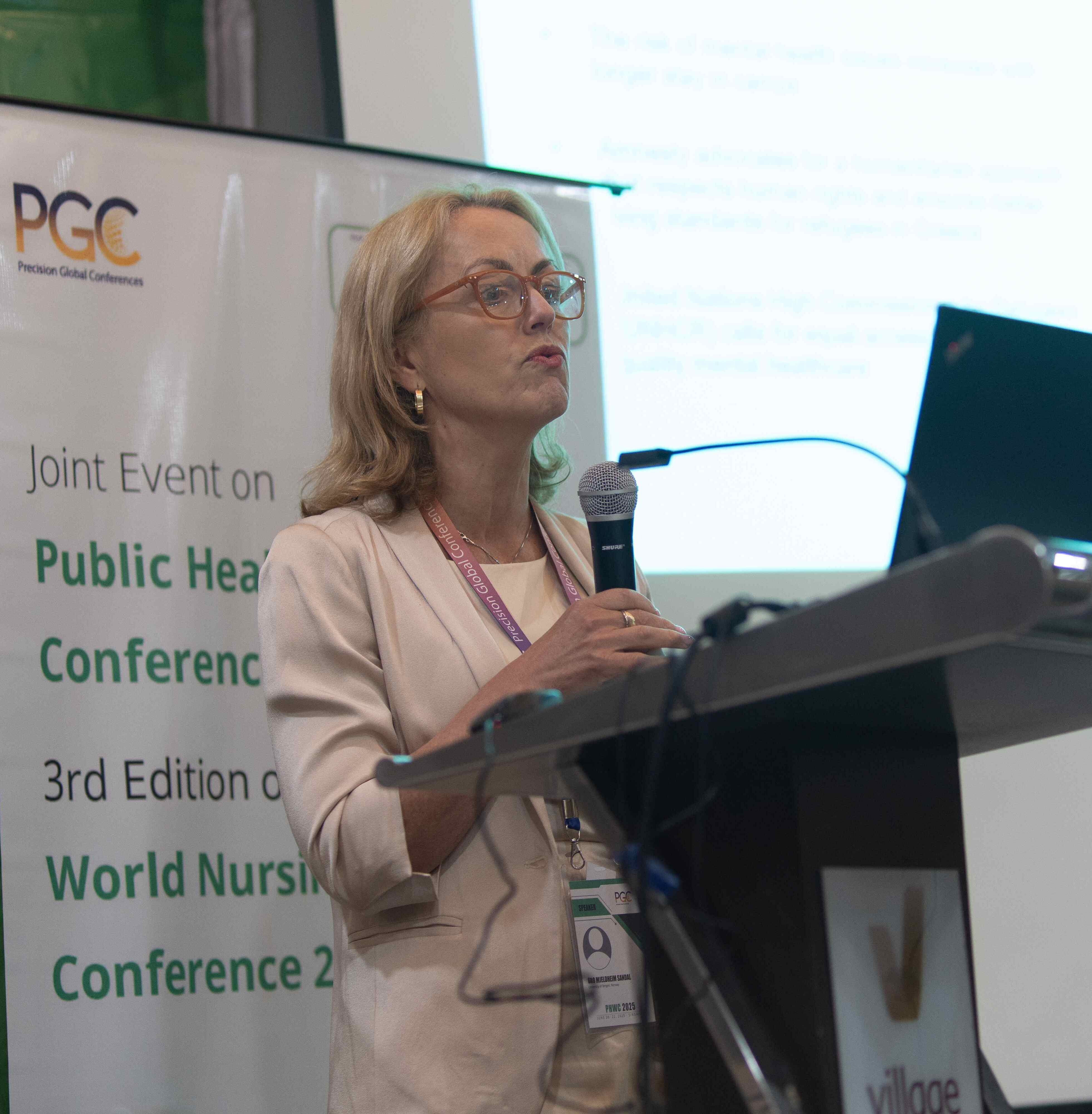
Gro Mjeldheim Sandal
Gro Mjeldheim Sandal
- Designation: University of Bergen
- Country: Norway
- Title: Of Course, You Get Depression in this Situationâ€: Explanatory Models among Afghan Refugees in Camps in Northern Greece
Abstract
Background. Afghan refugees and asylum seekers are among the largest groups residing in camp settings in Greece. Despite experiencing significant psychological distress, they face substantial barriers to accessing appropriate mental health care. Explanatory Models (EMs) offer a context-sensitive framework for understanding the differing perspectives of health professionals, refugees, and NGOs operating in the field. This study aims to explore how Afghan refugees perceive and explain depression and psychological distress, as well as how these perceptions influence their coping strategies and help-seeking behaviors.
Methods. This qualitative study involved six vignette-based, semi-structured focus group discussions with Afghan refugees and asylum seekers (N = 19; 12 female, 7 male) primarily residing in camp settings in Northern Greece. The vignette depicted a fictional individual exhibiting symptoms of depression consistent with DSM-5 and ICD-10 criteria. The interviews were recorded, transcribed, and analyzed using template analysis.
Results. Explanatory Models of depression were linked to Pre-Migration Traumatic Experiences (PMTE) and Post-Migration Living Difficulties (PMLD) within camp settings. Female participants emphasized gender-based and domestic violence as major contributors to psychological distress, while male participants highlighted conflict and persecution. Life in the camp—characterized by inactivity and uncertainty about the future—was widely perceived as a significant risk factor for psychological distress among both genders. Regarding coping strategies, female participants primarily focused on mobilizing collective resources within the camp, such as women's safe spaces that facilitate emotional support. Male participants, on the other hand, emphasized self-empowerment and solution-oriented coping strategies. Both groups highlighted the value of peer-helper roles in fostering mental well-being.
Conclusions. The findings underscore the potential benefits of community-based psychosocial approaches in supporting and promoting mental health within refugee camps. Additionally, the results can inform policies and practices aimed at improving Afghan refugees' access to appropriate mental health care. Further research is needed to evaluate the effectiveness of such interventions in this context.
2nd Edition of Public Health World Conference (PHWC) 2026
About PHWC 2026
The 2nd Edition of&n ...
Read More>>
Organizer
