
2nd Edition of Public Health World Conference (PHWC) 2026
Speakers - PHWC2025
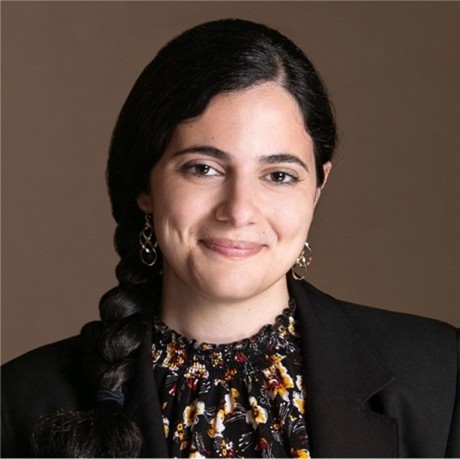
Sophia Shalabi
Sophia Shalabi
- Designation: Syrian American Medical Society
- Country: USA
- Title: Reimagining Primary Care in Syria: Designing a Community Health Worker Model for a Post Conflict Health System
Abstract
Abstract:
Syria’s healthcare system has endured over five decades of dictatorship, marked by political repression and neglect of public services. The past 14 years of widespread destruction, displacement, and targeted attacks on health infrastructure have further weakened access to care across the country. Both regime-held and non-regime-held areas have experienced severe disruptions to primary care and preventive services. In regions now referred to as “New Syria,” local actors have begun rebuilding health systems through more community-driven governance structures, with a growing shift away from dependency on international donors.
This presentation outlines a conceptual framework for developing a Community Health Worker (CHW) model in these areas, informed by successful examples from post-authoritarian and post-conflict settings such as Liberia and Rwanda. Both countries leveraged CHW programs to restore basic health services, improve trust in the system, and promote care in hard-to-reach communities.
The proposed CHW model for Syria focuses on a few critical areas: maternal and child health, chronic disease support, and health education. These priorities were identified based on documented health needs in underserved Syrian communities, where limited access to maternal care, rising chronic disease burden, and lack of health education continue to challenge recovery efforts. CHWs have been recognized as a critical workforce in addressing these gaps and improving long-term outcomes in similar post-conflict settings
Key components of the model include recruitment from within communities, competency-based training, and integration with primary care services through locally coordinated systems. The presentation will also highlight opportunities in the current Syrian context, including organized local health authorities, emerging governance frameworks, and strong community engagement. These conditions provide a pathway for designing and implementing a CHW model that is responsive, sustainable, and grounded in local ownership.
Rather than presenting a completed intervention, this session offers a forward-looking proposal aimed at guiding future planning and coordination. It contributes to broader discussions on health system recovery in politically transitional settings and encourages collaborative thinking on how CHW programs can support inclusive, resilient primary care in Syria.
2nd Edition of Public Health World Conference (PHWC) 2026
About PHWC 2026
The 2nd Edition of&n ...
Read More>>
Organizer
